

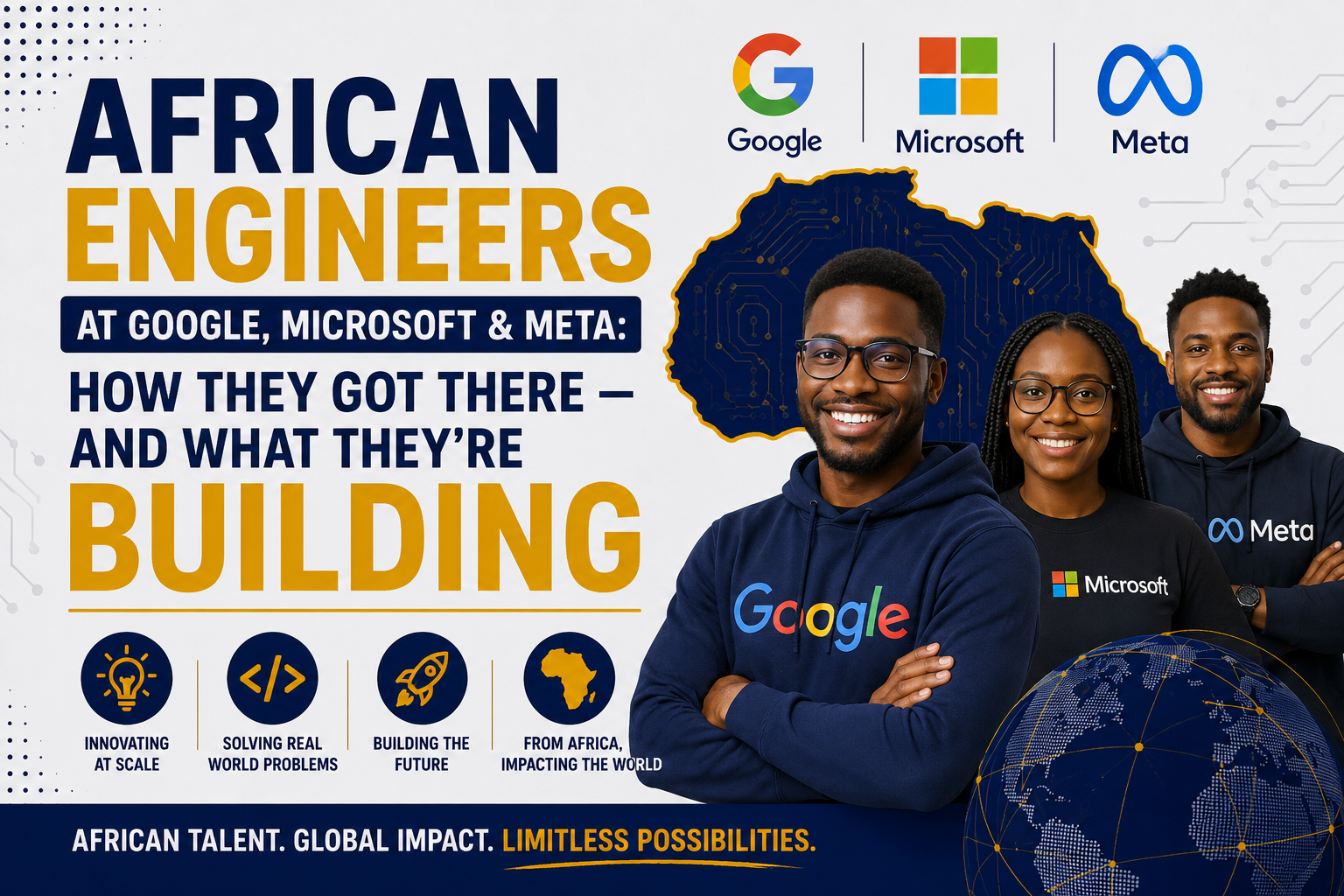
Ten remarkable profiles of African engineers who cracked into the world’s most competitive tech companies — with verified career stories, the skills that opened the door, and what they’re building for billions of users today.
In 2019, a girl from Kenya walked into Google’s infrastructure team and quietly built the orchestration engine now running over one million AI servers — the backbone behind Gemini. That same year, a young Nigerian engineer working for ₦15,000 a month at a Lagos ad agency was recruited into Microsoft’s Mixed Reality division. These are not exceptions. They are the shape of a movement.
Africa is producing world-class software engineers at a pace few predicted a decade ago. Quartz Africa and GitHub data now confirm over 3.7 million software developers across just five African countries, with Nigeria alone crossing 1.1 million registered developers in 2024 — up from 84,000 estimated in 2021. The continent’s developer population is growing at 25–33% annually, the fastest of any global region.
But the numbers alone don’t tell the story. This article does. Below are ten verified profiles of African engineers at Google, Microsoft, and Meta — where they came from, what opened the door, and what they are building right now for billions of people around the world.
Sources: GitHub (2024), Quartz Africa, Google Developer Ecosystem Report 2021
Data: GitHub 2024 Developer Report · africanexponent.com · Note: bars scaled proportionally for visualisation.
How African Engineers Break Into Big Tech: The Five Pathways
Before the profiles, it is worth mapping the terrain. There is no single door into Google, Microsoft, or Meta — but research into verified African engineer journeys reveals five recurring pathways that appear again and again across these ten stories:
Ashesi, etc.
Source, Andela
Blogging
ContactDirect outreach
or referral
Offer 🎉Relocation to US,
UK, or Canada
Microsoft has a formal direct-recruitment pipeline targeting African university graduates — a programme that brought engineers like Timi Bolaji and Anna Addei into its ranks. Google’s Developer Groups on African campuses have created an informal but powerful feeder ecosystem. Meta, despite its 2023–2024 Lagos layoffs, continues hiring African engineers into global roles from its Menlo Park, Seattle, and Dublin hubs. And the Andela talent marketplace acts as a structured bridge between the continent’s developer pool and the global companies that need it.
“There is a wide variation of talent quality, but I strongly believe we have good engineers here. The bottleneck isn’t talent — it’s visibility.”
— Justin Irabor, Nigerian developer, as quoted in Quartz Africa

Nzisa Kiilu grew up in Kenya and earned a BSc in Computer Science from Minnesota State University, Mankato, followed by a Master’s in Software Engineering from the University of Minnesota. Before Google, she built technical depth across American organisations — ImageTrend Inc., BI Worldwide, and UnitedHealth Group — each role layering skills in systems architecture and large-scale infrastructure management that would later prove decisive.
In 2019, she joined Google’s AI and Infrastructure team with a mandate to help the company scale sub-linearly — meaning: handle exponentially more AI compute without proportionally increasing costs or headcount. That kind of systems challenge is rare. So is the engineer who can meet it.
In July 2025, Kiilu went viral after a candid post on X: “Humble brag… They won’t believe a little girl from Kenya built the orchestration engine for this, but I did!” She was responding to news of Google’s $85 billion AI infrastructure spend for 2025. The “this” she referred to was a system now coordinating over one million high-performance computing servers — the backbone used to train Google’s Gemini AI models at a scale that makes it one of the most consequential pieces of engineering infrastructure ever built.
Her post reached 3.6 million impressions. She later clarified: “The work we did was deeply technical and part of a much larger team effort involving engineers, analysts, leaders, and most importantly data center technicians — and I’ll always respect the people who build alongside me.”
Kiilu founded Clutch AI (now Clutch Foundry) in 2020, a company designed to bring constraint-aware AI execution to African startups that cannot afford Silicon Valley infrastructure costs. She describes its mission as building for the 99% — the SMBs in Nairobi, Bogotá, and small-town America shut out by conventional AI platforms. She also serves on the steering committee of KIPNA, a network of 200+ US-based Kenyan IT professionals, and has delivered keynote speeches for the National Center of Women and Information Technology (NCWIT) in Minnesota.
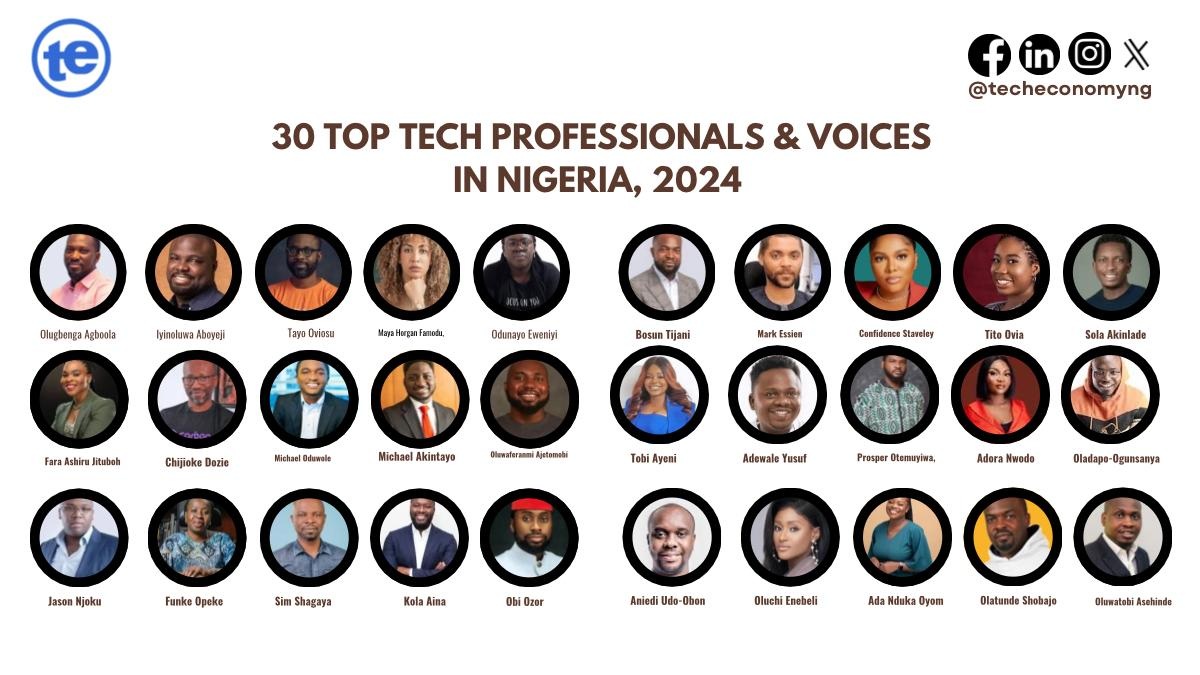
Adora Nwodo — known professionally as “AdoraHack” — was six years old when her father brought a computer home to their Lagos apartment. She spent her childhood making CorelDraw greeting cards and PowerPoint movie screenplays. By the time she graduated with a first-class degree in Computer Science from the University of Lagos, she had already co-organised Google Developer Groups in Ajah and Lagos, building both a professional network and a public profile that would matter enormously.
Her first professional role post-graduation was staying on at a Lagos media and advertising agency where she had interned — for ₦15,000 per month. Not for the money. For the code. In 2019, a Microsoft recruiter found her on LinkedIn. She had an offer within weeks.
Adora became the first Nigerian to publish a tech book with Wiley — Cloud Engineering for Beginners, a #1 Amazon Kindle new release. She followed it with Beginning Azure DevOps. She founded NexaScale, a nonprofit linking entry-level African techies to internship and job placement programmes. She was also accepted into Stanford GSB’s executive leadership programme — one of the most selective in the world. Her blog and YouTube channel, AdoraHack, reach hundreds of thousands of engineers across Africa each month.
Timi Bolaji graduated from the University of Lagos in November 2017. One month later — before he had properly celebrated — a Microsoft offer arrived. The company was running a targeted programme to hire CS graduates directly from African universities, betting on raw aptitude and algorithmic depth over years of professional experience. Bolaji was one of the first Nigerian engineers to be recruited through that pipeline.
He relocated from Lagos to Seattle, Washington a year later, joining Microsoft’s team in the Pacific Northwest — a move that represented not just a career step, but a geographic and cultural leap that has become a defining narrative for a generation of African engineers.
Microsoft’s Africa recruitment programme for university graduates evaluated candidates on: strong foundations in data structures and algorithms, proficiency in Java, Python, or PHP, problem-solving agility, and communication skills. Formal work experience was deliberately de-weighted. The company was looking for raw engineering aptitude — and found it abundantly.
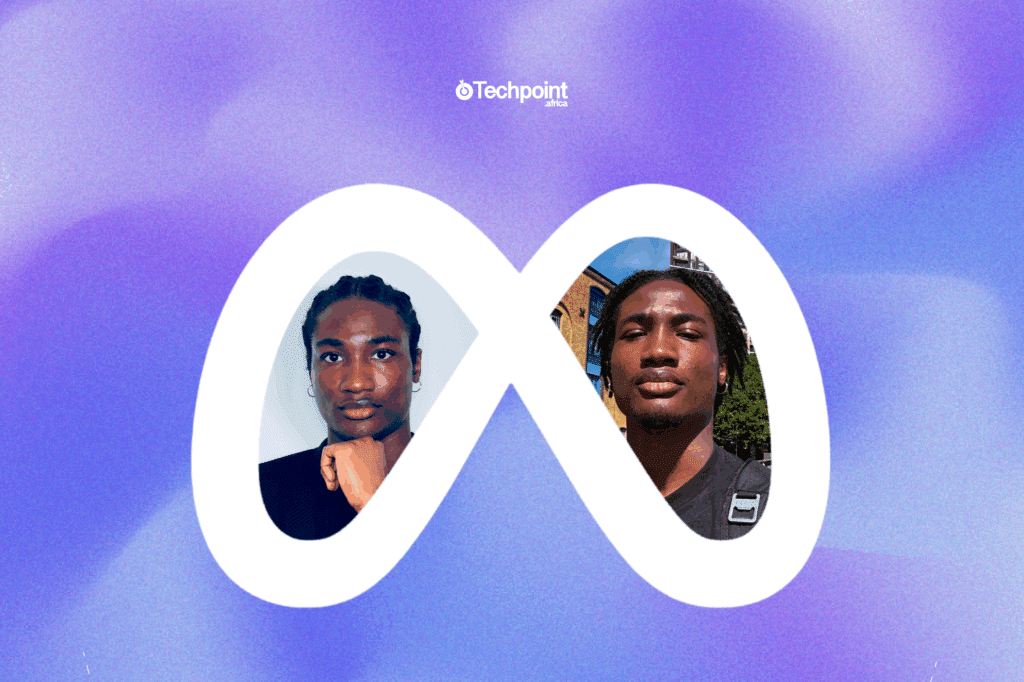
When Fanan Dala graduated in electrical engineering in 2019, he posted a public commitment: “This is the start of my five-year journey to FAANG.” What followed was years of structured, disciplined, and often demoralising work. He applied to Google, Facebook, Amazon, and others — and was rejected, repeatedly. A first-class engineering degree from a Nigerian university and a growing portfolio were not, on their own, enough.
Rather than retreat, Dala made every role count. He joined Realtor.ng, where he optimised database systems and delivered measurable engineering impact. He documented his journey publicly, building both skills and accountability along the way. When Meta extended another invitation in 2024, he had spent months preparing for multi-round technical interviews — coding rounds, system design evaluations, and behavioural assessments. A week after his final interview, the offer arrived.
“I was ready. I had the experience and the proven impact at all the places I had worked. So all of that just came together.”
— Fanan Dala, in an interview with Techpoint Africa
Most FAANG success stories are presented as clean arcs: talented person applies, gets in. Fanan’s story is more honest — and more useful. It is a story of sustained effort across five years of rejection, of building impact in roles that were not glamorous, of preparing rather than simply hoping. For the majority of African engineers who will not get in on their first, second, or third try, his story is the most instructive of the ten.
Linus Okoth Brian studied at Northwestern University, where he co-founded Explorate, a volunteer-driven web application, and served as its CTO — re-architecting the platform in Vue.js and securing funding through multiple startup programmes. His Meta internship track began in 2020 through Facebook University for Engineers, a highly selective programme for underrepresented students, where he built social connection algorithms and Android applications. In 2021 he returned for a second Meta internship, working on Android, iOS, and API development for the Community Tab.
Before joining Meta full-time, he spent six months at Amazon in Sunnyvale as a Software Development Engineer, building distributed systems managing metadata catalogs across services and databases. Meta hired him full-time as a Software Engineer II in January 2024 and promoted him to Engineer III (Core Compute) by February 2025.
Linus’s route — Northwestern University → Facebook University for Engineers → internship → Amazon → Meta FTE → promotion in 13 months — illustrates a structured internship-to-hire pipeline that is available to African students studying at US universities. The Facebook University for Engineers programme is specifically designed for underrepresented groups and has served as a direct funnel into Meta for African students at American universities.

Anna Serwah Addei is a graduate of Ashesi University in Ghana — one of Africa’s most rigorous liberal arts-style engineering institutions, founded in 2002 with a deliberate mandate to produce ethical, entrepreneurial leaders. Addei heard about Microsoft’s Africa-targeted recruitment programme through Ashesi’s career services department and applied.
The process included Skype technical interviews and an onsite half-day evaluation at a Microsoft office. Microsoft matched her to a team aligned with her stated engineering interests, placing her on the PowerPoint team — a product used daily by over 500 million people across every continent.
Ashesi University has quietly become one of Africa’s most productive Big Tech pipelines. Its CS curriculum combines technical rigour with ethical engineering principles and a culture of accountability that resonates with the values-first hiring criteria at companies like Microsoft. Addei is among the most visible examples of a pattern that Ashesi’s career services team has been deliberately building.
Chisom Nwokwu joined Microsoft’s engineering team at a young age — becoming one of the company’s youngest software engineers — and was based in Lagos as part of Microsoft’s African Development Centre operations. She works on Microsoft’s sustainability engineering team, the technical group responsible for helping the company achieve its legally committed goal of becoming carbon negative by 2030 and removing all historical carbon emissions by 2050.
Her story carries a dimension that distinguishes it from the others in this list: she did not relocate to the United States to work for one of the world’s most valuable companies. She built world-class software from Lagos. When Microsoft scaled back its ADC Lagos operations in 2024, many engineers were offered relocation to Nairobi. Chisom’s trajectory highlights both the opportunity and the fragility of in-Africa Big Tech employment — and why advocacy for more of it matters.
Chisom has become a visible advocate for young African women in technology, speaking publicly about building a career at a global tech company without leaving Africa. She represents a model that, if scaled, could transform the African tech ecosystem: Big Tech employment that builds local talent, keeps skills on the continent, and pays globally competitive salaries without requiring relocation.

Ivy Barley co-founded Developers in Vogue, Ghana’s pioneering coding organisation for women in technology, before she had a Big Tech job title. She was recognised by Avance Media as one of Ghana’s Top 50 Most Influential Young People in both 2017 and 2019 — not for corporate achievement, but for building an organisation that taught Ghanaian women to code when there were virtually no institutional resources to do so.
That community work, combined with her technical background, made her a distinctive candidate for Microsoft’s Tech for Social Impact division — a part of Microsoft that deploys the company’s cloud and AI capabilities specifically for NGOs and development sector organisations globally. Ivy was recruited as a Programme Manager, a hybrid technical-strategic role that bridges engineering teams and real-world outcomes.
Ivy’s story challenges a persistent assumption: that Big Tech careers are built entirely in the technical lane. Her route — community organiser, women’s coding programme founder, recognition for social impact — led to a Microsoft role that required exactly the skills she had spent years building outside corporate structures. Microsoft specifically recruited her for work that demanded both technical fluency and community credibility.

“GB” Agboola’s career illustrates one of the most powerful arcs in the African tech diaspora narrative: Big Tech as a launchpad, not a destination. He built his engineering and product instincts at two of the world’s most demanding companies — Google and PayPal — gaining deep expertise in payments infrastructure, global financial systems architecture, and developer-facing products.
Each of those environments gave him something specific. At Google, he learned how to build products at planetary scale. At PayPal, he learned the regulatory, technical, and operational complexity of global payments. Together, those experiences gave him what no African fintech startup could have given him: the credentials to sit at the table with Visa, Mastercard, and global banking partners as a peer rather than a petitioner.
Agboola has been explicit about this: his time at Google and PayPal was not incidental to Flutterwave’s success — it was foundational to it. The Visa and Mastercard network partnerships that give Flutterwave its global reach required the kind of credibility and technical fluency that his Big Tech resume provided. African engineers who aspire to build continent-scale companies should pay attention: in many cases, the fastest route home is through Redmond, Menlo Park, or Mountain View first.
Jay Alabraba began his career at Microsoft’s Redmond, Washington headquarters as a Program Manager, leading a cross-functional engineering team that won multiple patents for work in data protection and software anti-piracy. In 2004, he was selected as a recipient of the Charles P. Bonini Partnership for Diversity Fellowship from Stanford Graduate School of Business — one of the most competitive fellowships in the US for professionals from underrepresented backgrounds.
His time at Microsoft gave him something that would prove essential: a deep understanding of how large-scale software systems protect sensitive user data — knowledge directly applicable to building Nigeria’s financial infrastructure.
Jay’s Aspen Institute Finance Leaders Fellowship (Aspen, Colorado, 2014 cohort) added another layer to an already distinctive professional profile. Microsoft Redmond patents, Stanford GSB credentials, and an Aspen fellowship created the credibility infrastructure that allowed him to raise from top-tier investors and engage the CBN as a regulatory pioneer. His story is a case study in how Big Tech experience compounds with other elite credentials to create a kind of trust that is very hard to manufacture from scratch inside Africa.
All 10 African Engineers at Big Tech: Reference Table
This table serves as a citable quick-reference for journalists, researchers, and readers who want the key facts from each profile in one place. All data is drawn from verified public sources including LinkedIn, company announcements, and published media interviews.
| # | Name | Country | Company | Role / Division | Core Technical Work | Entry Pathway |
|---|---|---|---|---|---|---|
| 1 | Nzisa Kiilu | 🇰🇪 Kenya | Sr. Global Systems Mgr, AI Infrastructure | Orchestration engine for Google’s 1M-server AI compute fleet (Gemini backbone) | US grad school → US system engineering roles → Google direct hire (2019) | |
| 2 | Adora Nwodo | 🇳🇬 Nigeria | Microsoft | SWE, Mixed Reality / Microsoft Mesh | Cloud backend for shared holographic / mixed reality experiences | UNILAG → GDG Lagos community → LinkedIn visibility → Microsoft recruiter (2019) |
| 3 | Timi Bolaji | 🇳🇬 Nigeria | Microsoft | SWE, Xbox Cloud Gaming, Seattle | Cloud streaming infrastructure for AAA game delivery on any device | UNILAG → Microsoft Africa university recruitment programme (2018) |
| 4 | Fanan Dala | 🇳🇬 Nigeria | SWE, Large-scale Infrastructure | Data infrastructure systems serving billions of concurrent users | 5 years of FAANG preparation + documented engineering impact → Meta (2024) | |
| 5 | Linus Okoth Brian | 🇰🇪 Kenya | SWE III, Core Compute, Menlo Park | AI training infrastructure; 95%+ reduction in ML data pipeline costs | Northwestern → Facebook Univ. for Engineers → Amazon → Meta FTE (2024) | |
| 6 | Anna Addei | 🇬🇭 Ghana | Microsoft | SWE, Microsoft PowerPoint Team | Features for a product used by 500M+ people worldwide | Ashesi University → Microsoft Africa university recruitment programme |
| 7 | Chisom Nwokwu | 🇳🇬 Nigeria | Microsoft | SWE, Sustainability Engineering (Lagos-based) | Carbon accounting tools; supporting Microsoft’s carbon-negative 2030 goal | Nigeria-based Microsoft ADC hire; contributed globally without relocation |
| 8 | Ivy Barley | 🇬🇭 Ghana | Microsoft | Programme Manager, Tech for Social Impact | Cloud & AI solutions for NGOs and development-sector organisations | Developers in Vogue (community founder) → Microsoft recognition hire |
| 9 | Olugbenga Agboola | 🇳🇬 Nigeria | Google/PayPal Alum | Former engineer → CEO, Flutterwave ($3B+) | Pan-African payments infrastructure; 34-country cross-border transactions | Google + PayPal engineering → returned to co-found Flutterwave (2016) |
| 10 | Jay Alabraba | 🇳🇬 Nigeria | Microsoft Alum | Former Programme Manager → Co-Founder, Paga | Nigeria’s first mobile money platform; 20M+ users, 140K+ agents | Microsoft Redmond → Stanford GSB → Aspen Institute → Paga co-founder |
Note: This reflects the 10 verified public profiles featured in this article. Many more African engineers at Big Tech companies remain less publicly visible. Egypt, South Africa, Ethiopia, and Rwanda are also significant and growing sources of Big Tech talent.
The Bigger Picture: What Big Tech Is Doing in Africa
The stories above don’t happen in a vacuum. They emerge from a deliberate, if sometimes halting, set of investments by global technology companies in African engineering talent — investments that simultaneously reflect genuine belief in the continent’s potential and the cold commercial logic of accessing a large, growing, and increasingly skilled labour market.
Microsoft launched its African Development Centre (ADC) in Lagos and Nairobi in 2019, initially recruiting 100 full-time engineers with the stated goal of building Africa-specific products. The Lagos office was substantially scaled back in 2024 when global restructuring led to redundancies; remaining engineers were offered relocation to the Nairobi hub. However, Microsoft simultaneously announced a $1 billion investment with G42 to build a data centre and East African Innovation Lab in Nairobi — signalling a strategic deepening, not a withdrawal, from the continent.
Google operates Google Developer Groups across 166 communities in 37 African countries, creating one of the most extensive grassroots developer ecosystems on the continent. Its Google for Startups Accelerator: Africa programme selected its ninth cohort in 2025 from nearly 1,500 applications across Nigeria, Kenya, Ghana, Ethiopia, Rwanda, Senegal, and South Africa — all focused on AI-native products. Google also employs research engineers in Nairobi and Accra specifically working on low-resource African language NLP, trying to broaden AI representation beyond English-dominant training data.
Meta closed its Nigerian engineering operations in mid-2023 as part of global headcount reductions, affecting 24+ Lagos-based engineers. Yet the company simultaneously ramped hiring of machine learning engineers globally — including, as documented above, Kenyan engineers like Linus Okoth Brian in core AI infrastructure roles at Menlo Park. Meta’s Africa story in 2024–2025 is one of contradictions: retreat from physical presence on the continent, continued hiring of African engineers into its global hubs.
Andela, the pan-African talent company, has trained and placed over 100,000 aspiring engineers and currently connects thousands of experienced African developers with global employers including Microsoft, GitHub, and hundreds of other companies. It is a critical piece of infrastructure in the talent pipeline that eventually produces FAANG-ready engineers — functioning as the missing middle between African university graduation and global tech company hiring standards.
🔑 Key Takeaways for Aspiring African Engineers
- Visibility is a skill. Adora Nwodo was discovered through LinkedIn activity and GDG community involvement, not a job board application. Learning in public — blogging, tweeting, contributing to open source — creates recruiter surface area that passive candidates never have.
- Rejection is data, not verdict. Fanan Dala spent five years being rejected by Meta before getting in. Each rejection told him what he needed to build next. He treated rejection as a diagnostic tool, not a stop sign.
- University programmes are direct pipelines. Microsoft’s Africa university recruitment and Facebook University for Engineers are structured pathways, not rumours. Research them, find out if your university is on their radar, and apply before you need them.
- Community involvement counts as a credential. Multiple engineers here were active in Google Developer Groups before they had a Google job. For Ivy Barley, founding Developers in Vogue was the credential that got her hired. The community is the interview.
- Backend and infrastructure work is where the leverage is. Nzisa Kiilu and Linus Okoth work on systems that are invisible to end users and critical to everything those users do. Infrastructure engineers who understand distributed systems at scale are in constant, structural demand at every FAANG company.
- Big Tech can be a launchpad, not a ceiling. Gbenga Agboola and Jay Alabraba used Google, PayPal, and Microsoft as preparation for building African unicorns. The continent urgently needs this pattern replicated a thousand times. Big Tech is training some of Africa’s most capable future founders.
7 FAQs: African Engineers at Google, Microsoft & Meta
These are the questions we hear most from diaspora professionals, aspiring engineers, recruiters, and Western tech enthusiasts after reading this article. Every answer is grounded in verified research.
Yes — and the number is growing. While exact headcounts by continent of origin are not publicly disclosed, there are hundreds of verified African-born engineers across Google, Microsoft, and Meta’s global offices. The ten profiles in this article are only the most documented fraction of a much larger population.
Microsoft’s African Development Centre alone hired 100+ engineers between 2019 and 2024. Meta employed a dedicated Nigerian engineering team (24+ members) before 2023 global restructuring affected headcount, and continues hiring African engineers into its global hubs. Google employs research engineers in Nairobi and Accra working specifically on African language AI. And platforms like Andela have placed thousands of African developers at companies that include these Big Tech firms. The visibility gap — not the talent gap — is why this feels surprising.
The core requirements are consistent across FAANG/MAANG companies, regardless of where the candidate is from:
- Strong CS fundamentals — data structures, algorithms, operating systems, networking, and databases. Most engineers in these profiles excelled here first, long before applying.
- System design skills — the ability to architect scalable distributed systems. This is where many candidates fail at senior levels and should be the focus of structured preparation.
- Deep proficiency in at least one language — Python, Java, C++, Go, or Kotlin are most common. Companies care less about which language, more about genuine mastery of the concepts it requires.
- Demonstrated engineering impact — especially at Meta, showing how you have influenced outcomes and shipped products that real users use. Impact over output.
- Visibility and communication — active GitHub, LinkedIn presence, technical writing, and community involvement. Multiple engineers in this article were found by recruiters, not the other way around.
For Microsoft’s Africa university recruitment programme specifically: strong DSA knowledge and proficiency in Java, Python, or PHP were evaluated even for fresh graduates with no professional experience. The bar was algorithmic depth, not work history.
The range is very wide — and the honest answer is more useful than the optimistic one. Some engineers, like Timi Bolaji and Anna Addei, received Microsoft offers within weeks of graduating, aided by targeted recruitment programmes that their universities were already enrolled in. Others, like Fanan Dala, spent five years deliberately building experience and reapplying before receiving a Meta offer.
The median path for an African engineer entering FAANG from the continent, without existing US residency or a US university degree, appears to be 3–6 years post-graduation — factoring in building relevant experience, developing publicly visible technical work, navigating visa and relocation complexity, and passing multi-stage technical interviews.
Engineers who pursue graduate degrees at US universities (as Nzisa Kiilu and Linus Okoth did) or who participate in structured internship programmes like Facebook University for Engineers typically access the pipeline faster — sometimes within 3–4 years of beginning their undergraduate studies. Planning ahead, treating every role as preparation, and building in public from Year 1 all shorten the timeline meaningfully.
Compensation for African engineers at these companies is market-rate and identical to any other engineer at the same level — there is no geographic or demographic pay differential within the same office location. As of 2024–2025 US-based data from Levels.fyi and company disclosures:
- Google (Alphabet): Total compensation (base + RSUs + bonus) averages $276,000–$310,000 per year for mid-level software engineers (L4–L5) in the US. New grad (L3) packages typically start at $180,000–$220,000 total annual comp. Senior engineers (L6+) commonly exceed $400,000.
- Meta: Median total compensation for a software engineer is approximately $295,000 in the US. Senior engineers (E5+) commonly earn $350,000–$550,000+ total comp. Meta is known for having among the highest equity packages in the industry.
- Microsoft: Total compensation for mid-level software engineers is typically $180,000–$280,000, slightly lower than Google/Meta but still among the top decile globally. Microsoft is noted for stronger healthcare benefits and more structured career ladders.
Engineers based in Africa (such as those who worked at Microsoft’s ADC Lagos) receive locally competitive salaries. These are significantly higher than local market rates, but substantially lower than US-equivalent packages. This differential is one of the primary reasons that relocation remains attractive to many African engineers despite the personal costs involved.
Based on verified engineer profiles and recruitment data from this research, the African universities most consistently associated with Big Tech-placed engineers are:
- University of Lagos (UNILAG), Nigeria — produced Adora Nwodo (Microsoft Mesh) and Timi Bolaji (Microsoft Xbox). Microsoft has run direct recruitment trips to UNILAG’s campus. Strong CS and Engineering programmes.
- Ashesi University, Ghana — produced Anna Addei (Microsoft PowerPoint). Known for a rigorous CS curriculum, small class sizes, and an ethical engineering culture that resonates with Microsoft’s values-based hiring criteria.
- University of Nairobi, Kenya — a primary hub for Google Developer Groups activity and a common starting point for Kenyan engineers who later move into global tech roles.
- Covenant University, Nigeria — strong Engineering and Computer Science programmes; several alumni have placed at international tech companies, including in the US and UK.
- Northwestern University, Minnesota State University, University of Minnesota (US) — for African engineers who pursued US graduate or undergraduate degrees: Nzisa Kiilu (Minnesota/Mankato + U of M) and Linus Okoth Brian (Northwestern) entered Big Tech after US education.
Global rankings don’t always correlate with Big Tech placement. Ashesi ranks lower than many Egyptian and South African universities by global metrics, but its placement track record at Microsoft is stronger. Choose a university based on its actual placement relationships with the companies you want to work at — then verify that with its career services department directly.
This is one of the most debated questions in African tech policy circles — and the most honest answer is: it depends on what the diaspora does with the experience.
The simple brain drain argument holds real weight: Africa needs engineers. Training excellent ones and watching them relocate to San Francisco, Seattle, or London does reduce the immediate supply of skilled technical talent on the continent. When Microsoft shut its Lagos ADC operations in 2024, the engineers it had trained and employed either left Nigeria or pivoted to other work. That is a real loss.
But the profiles in this article complicate the picture significantly. Olugbenga Agboola (Google/PayPal → Flutterwave, $3B valuation) and Jay Alabraba (Microsoft → Paga, 20M+ users) demonstrate that Big Tech experience, when combined with the will to return and build, can create infrastructure that serves tens of millions of Africans. Adora Nwodo built her Microsoft Mesh career and simultaneously built NexaScale to train the next generation of Nigerian engineers. Nzisa Kiilu built Google’s AI backbone and simultaneously built Clutch Foundry to deliver AI infrastructure to African startups that couldn’t afford Google-scale pricing.
The more accurate frame, supported by these profiles, is that the diaspora is not a loss — it’s a deferred investment. Africa’s challenge is creating enough domestic opportunity to attract returning talent home, and enough pathways for diaspora-based engineers to give back across borders, even while working abroad. Both are policy and ecosystem challenges as much as individual choices.
Based on the documented journeys of the ten engineers in this article, here are the strategies with the strongest track record:
- Learn in public — consistently. Adora Nwodo’s LinkedIn posts and tweets about her learning journey are what put her on a Microsoft recruiter’s radar before she ever applied. Write technical articles, share what you’re building, post about what you’re learning week by week. Recruiter surface area compounds over time.
- Join and organise in Google Developer Groups. GDG communities in 37 African countries are free, well-connected, and directly visible to Google. Being a co-organiser — as Adora was — is an especially strong signal of leadership and genuine technical engagement.
- Apply for Facebook University for Engineers. Open to African and other underrepresented students studying at US universities; this is a structured internship-to-hire pipeline at Meta. Apply as early as freshman year.
- Ask your university’s career services if Microsoft recruits directly. Microsoft has historically visited UNILAG, Ashesi, and other African universities. Many students never find out because they don’t ask. Contact your career services team directly and ask which international companies recruit from your campus.
- Build something with real users on GitHub. Linus Okoth’s CTO role at Explorate as an undergrad was a strong signal. GitHub contributions to projects with real users, documented in a strong profile, are examined by technical recruiters across all three companies.
- Apply directly, early, and repeatedly. Fanan Dala’s story is the clearest proof: rejection from Meta is not permanent. Apply when you are ready, get feedback, address the gaps, and apply again in six to twelve months. FAANG companies refresh their talent needs constantly.
- Consider Andela as a bridge. Andela‘s vetting process is rigorous and its placement network includes companies that include Big Tech. Being placed through Andela builds credibility, global work experience, and often direct connections to engineers already inside the companies you want to join.
Verified Resources for African Engineers Targeting Big Tech
These platforms, programmes, and communities are verified entry points for African engineers pursuing roles at Google, Microsoft, and Meta. All links go to official or authoritative sources.
- Google Developer Groups (GDG) — 166 active communities across 37 African countries. Free events, workshops, mentorship from Googlers, and recruiter visibility. Being a community organiser is a direct signal to Google.
- Microsoft University Recruiting — the official page for student and early-career Microsoft programmes, including Africa-targeted university recruitment. Check whether your university is on Microsoft’s campus visit schedule.
- Andela — pan-African talent marketplace that has placed over 100,000+ engineers with global companies including Microsoft, GitHub, and hundreds of others. A vetted, trusted bridge between African talent and global demand.
- Google for Africa — Google’s official Africa digital skills and accelerator hub. Includes training programmes, the Google for Startups Africa accelerator, and internship pathways on the continent.
- Meta Careers — apply directly to Meta engineering roles. Search specifically for “Facebook University for Engineers” each recruitment cycle — it opens applications for the summer programme in the preceding autumn/winter.
- AdoraHack (Adora Nwodo) — free cloud engineering and Azure learning resources, technical blog, YouTube channel, and community for African tech professionals. One of the most substantive free learning resources on the continent.
- NexaScale — founded by Adora Nwodo; provides job placement support, open-source project participation, and hackathon opportunities specifically for African STEM professionals entering the global job market.
- Clutch Foundry (Nzisa Kiilu) — constraint-native AI tools designed for African startups that cannot afford Silicon Valley-scale infrastructure pricing. Also an example of the Big Tech → African founder pipeline working as intended.
Conclusion: Africa Is Not Just a Talent Pool — It’s a Tech Force
The ten engineers in this article are not a representative sample of the average. They are proof of what is possible — and increasingly, proof of what is becoming normal. A Kenyan woman builds the orchestration engine behind Google’s Gemini AI. A Nigerian woman builds the infrastructure that enables Microsoft’s metaverse. A Kenyan man at Meta cuts AI training pipeline costs by 95% in his first year. A Nigerian man turns a decade of Big Tech preparation into a $3 billion fintech company that moves money across 34 African countries.
These are not stories of exceptional people who escaped a continent and made it in the West. They are stories of African engineers who took the resources available to them — Nigerian universities, Google Developer Groups, five years of patient preparation, US graduate schools, Facebook internship programmes — and built careers, companies, and infrastructure that serve billions of people.
Africa now has over 3.7 million software developers across its five largest developer markets, growing at 25–33% annually — the fastest rate of any global region. Nigeria crossed 1.1 million registered GitHub developers in 2024, up from roughly 84,000 estimated in 2021: more than tenfold growth in three years. Kenya grew 33% in a single year.
These are not vanity statistics. They are the early chapters of a story whose full scale has not yet been written — and whose most important pages may be written by engineers currently in their first or second year of university somewhere in Lagos, Nairobi, Accra, or Addis Ababa, building their first open-source project and writing their first blog post about what they learned.
The question for diaspora readers, Western tech enthusiasts, and recruiters reading this is the same: how much of this talent are you paying attention to?
Editorial note: All engineer profiles in this article are based on verified public sources including company announcements, published media interviews, LinkedIn profiles, X posts, and direct quotes from journalism. Where photos could not be confirmed as freely available, placeholder initials are displayed instead. This article was produced by the DRATech Editorial team. If you are an African engineer at a major tech company and wish to be profiled or contribute to a future feature, contact us at dratech.org/contact. We welcome corrections and additions from engineers themselves.